
The 3rd British Music Hall Society Conference, Saturday 21st and/or Sunday 22nd November 2026 at The Cinema Museum, 2 Dugard Way, London SE11 4TH
“CATERING FOR PEOPLE’S DESIRES AND NEEDS IN THE MUSIC HALL”
CALL FOR PAPERS
Music Hall managers were often referred to as caterers, catering for the audience’s demand for entertainment through the on-stage programme but also for food, drink, cigarettes and cigars, programmes, souvenirs, and, perhaps, even sex. William Morton was described as an “amusement caterer” and William (Bill) Holland, the man who transformed holiday entertainment in Blackpool, liked to be nicknamed the “People’s Caterer.”
For the third British Music Hall Society Conference we invite proposals of talks, either of 20 minutes or of six minutes, that increase our understanding of how establishments catered for needs and desires in the Music Hall off the stage; the food and drinks, merchandise etc.
Talks proposed could, for example, compare any aspect of catering across different classes of establishment or through time; delve into finances; explore the impact of legislation or local licensing authorities; look at novelties or crazes, or contrast lurid reporting with reality.


Some food for thought:
How did the presence of food and drink etc. in the music halls change over the decades as the evening’s entertainment changed, from long shows to twice-nightly performances, and from audiences sitting at tables to sitting in fixed rows of seats?
How did a positive obsession with (at least the appearance of) respectability affect the sale of alcohol?
There are many accounts in the press of prostitutes soliciting in the halls, at times with the seeming connivance of the managers. What was the reality and how did it alter through time and across different halls?
Smoking was common, with attendant fire risks and also a fug of smoke that needed to be dispelled; one reason for the retractable roof sections installed in some halls. How did smoking customs change?
Programmes, often containing adverts, were sold in some halls, often printed daily or weekly on brightly illustrated stock sheets. What can we learn from the design, content and price of these?
The Music Hall sheet music industry was huge but what part did the caterers play in producing the music. Was any sheet music sold in the halls and by whom?
Cheap mass production of photographs – Carte de Visites then Cabinet Cards – resulted in a craze for collecting. Did the halls and performers profit from this, perhaps through sales or promotional giveaways?
What impact did such songs as ‘Champagne Charlie’ have on stocking and selling drinks?
Possible Themes and Topics Include (but are not limited to):
- Food and drink as part of the music hall experience
- Entrance tokens and hospitality tokens
- Intermissions, bars, cafés, and foyers as social and musical or gallery spaces. The promenade.
- Alcohol, intoxication, and audience behaviour
- Class, taste, and distinction through culinary offerings
- Hospitality and labour in the music hall
- Artiste lodgings, food, props and costume.
- Historical practices of dining and drinking in an entertainment context
- Regulations, morality, and the policing of consumption
- Commercial strategies, sponsorship, advertising, and branding
- The economics, design and sale of the printed programme
- The role of caterers and their institution in the production and sale of sheet music and other merchandise such as Carte de Visite photographs.
- The extent to which caterers facilitated prostitutes to solicit in their hall or deterred them from doing so.
- Audience behaviour, etiquette, and the level of attention paid to what is happening on stage
Formats Welcome:
- Individual papers
- Themed panels
- Practice-based research and artistic or curatorial interventions
- Case studies and comparative approaches
We welcome submissions from music hall enthusiasts and from scholars and practitioners in such areas as cultural studies, food studies, sociology, anthropology, history, performance studies, and hospitality studies.
Proposals of items to exhibit are also welcome. In addition, there will be the opportunity to sell books and ephemera via the BMHS stall.
The conference will take place between 10am and 5pm each day at The Cinema Museum, a short walk from Elephant & Castle which has excellent tube, train and bus connections.
How to submit a proposal: Please send a short paragraph about the subject of your proposed presentation to contact@britishmusichallsociety.com by 30th June 2026. Please include a short biography (up to 100 words), your mobile phone number, and any audio-visual requirements you will need beyond a microphone and lectern. For example, do you plan to display images or a PowerPoint presentation? Will you need to play video or music during parts of your presentation?
Speakers will be able to show a PowerPoint presentation. There will be a keyboard for people to play during their presentation, and if there are several requests from speakers for an accompanying pianist we shall seek to provide one.
The British Music Hall Society is not an “academic” institution, so presentations should be worded to appeal to a general audience rather than an exclusively academic one. Time will be allocated for Q&A after talks.
Ideally, talks will be given in-person, though consideration will be given to virtual presentations (for example, to avoid carbon emissions from long-distance travel).
Submissions will be reviewed by a panel comprising Professor John Mullen (Université de Rouen), Dr Sophie Nield (Royal Holloway) and Dr Billy Rough (St. Andrews) along with the conference organisers Charlie Holland and Alison Young.
A decision will be made as to whether the conference will be one or two days once the submissions of talks have been received. Therefore, it would be helpful, should you know now that you can only attend one day, to say which day you can attend.
Speakers will receive free admission for themselves. In addition we have six travel bursaries of up to £150, focussed on early career speakers.
Deadline for submission: 30th June 2026 though we invite expressions of interest to be made as early as possible, and are happy to discuss your ideas. Please consider submitting your proposal soon! Whilst we would like to accommodate all proposals, our focus is on curating a range of presentations that, together, will give a good coverage of the varied aspects of catering in the Halls.
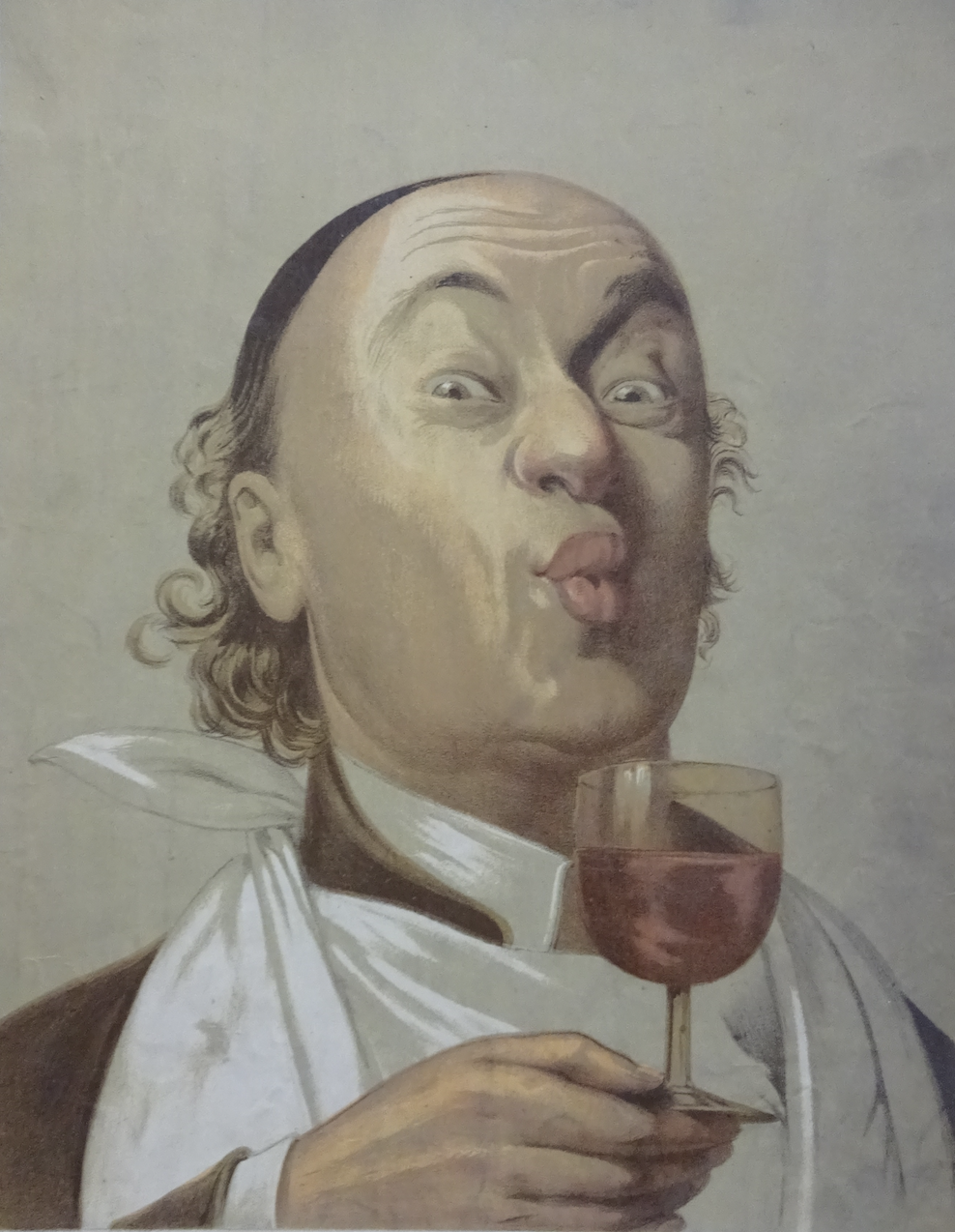
Image from ‘Bon Goût Polka’ sheet music cover (BMHS Archive).